Skip to content →
Real Artist Applications

Real Grid Techniques, Real Use Cases

Eight worked examples — portrait, landscape, architecture, figure, photography composition, pattern design, comic panel, and product photo — each with the recommended overlay from the 82-overlay catalogue and pro tips from the studio. Looking for your specific discipline? Try the audience hubs at /for/artists/, /for/photographers/, /for/designers/, or /for/architects/.

Portrait drawing with grid overlay demonstration
Beginner Friendly

Portrait Drawing

Master facial proportions and capture perfect likenesses with precision grids. Ideal for artists learning portrait fundamentals or professionals working on commissions.

Why Grids Help

  • Perfect Proportions: Accurately measure distances between eyes, nose, and mouth
  • Symmetry Control: Maintain facial balance across the central axis
  • Value Mapping: Break complex shading into manageable sections
  • Faster Progress: Reduce measurement errors and rework time

Best Grid Type

Standard 8×8 or 10×10 Grid - Provides enough reference points without overwhelming detail. For detailed work, use 12×12 or higher.

Pro Tips for Portrait Drawing
  • Start with a 4×4 grid for initial proportions, then add detail grids for complex areas
  • Align the central vertical line with the nose for perfect symmetry
  • Use horizontal lines to mark eye level, nose bottom, and mouth center
  • Pay special attention to the triangle formed by eyes and mouth
  • Don't trace slavishly—use the grid as a guide, not a crutch
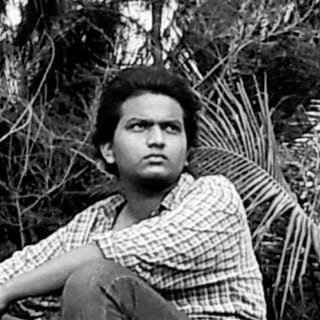
Portrait before grid
Portrait with grid overlay

Drag to see how grids reveal proportions

"Using Grid Maker Pro cut my portrait sketching time in half. The accuracy is incredible—my clients can't believe how quickly I capture likenesses now."

— Portrait Artist · illustrative scenario
Try This Technique →
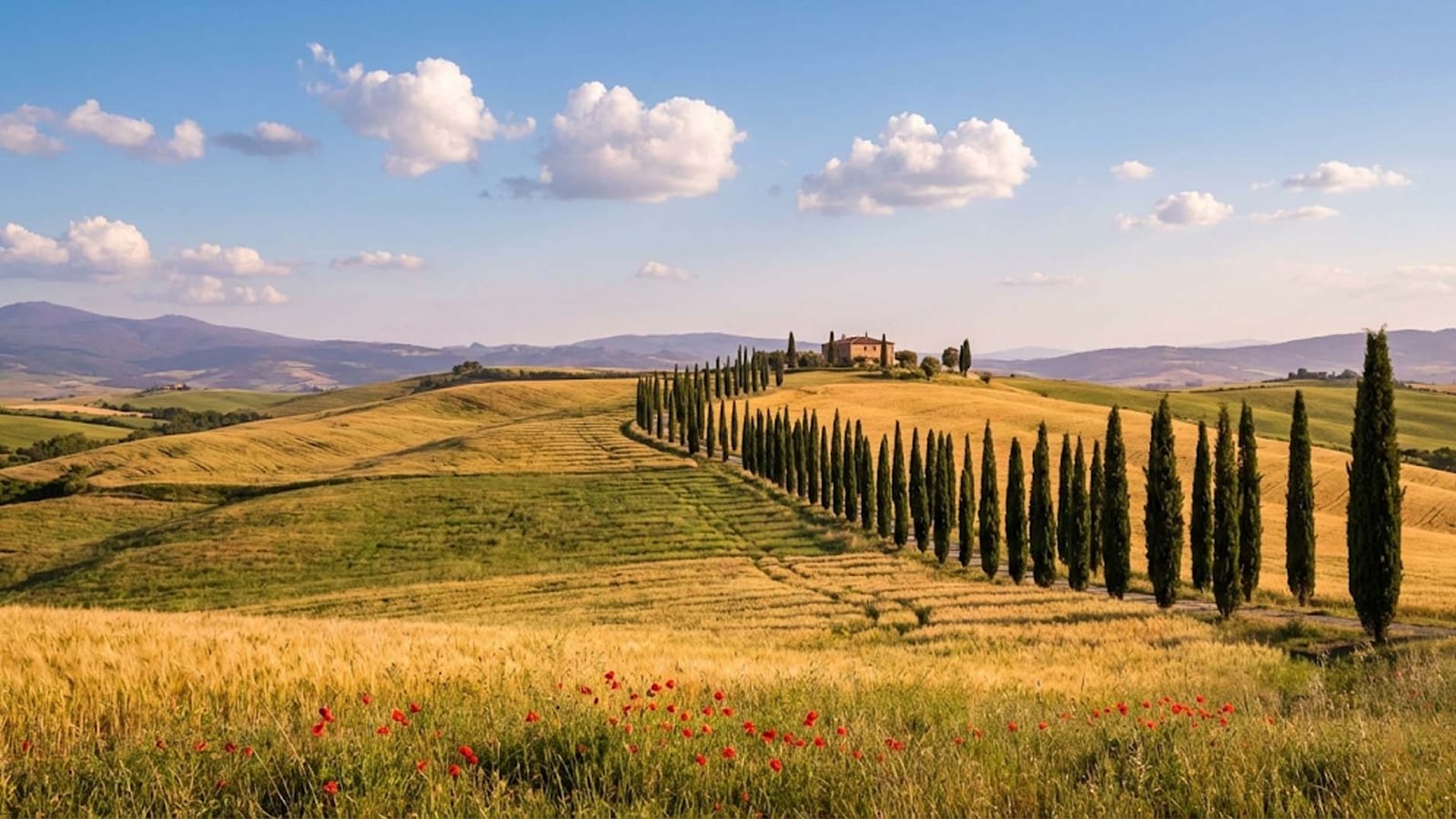
Landscape painting with composition grid
Intermediate

Landscape Painting

Compose breathtaking landscapes with balanced horizons and strategic focal points. Perfect for plein air painters and studio artists working from photo references.

Why Grids Help

  • Horizon Placement: Position skylines at ideal thirds for dynamic composition
  • Focal Point Design: Place key elements at intersection points for visual impact
  • Depth & Perspective: Maintain accurate recession from foreground to background
  • Color Zones: Organize areas for consistent value and temperature shifts

Best Grid Type

Rule of Thirds (3×3 Grid) - Natural composition with horizon on upper or lower third. For complex scenes, combine with a 6×6 detail grid.

Pro Tips for Landscape Painting
  • Place horizons on the upper third for dramatic skies, lower third for emphasis on land
  • Position focal points (trees, buildings) at grid intersections for natural eye flow
  • Use diagonal grid lines to guide rivers, roads, and leading lines
  • Map atmospheric perspective: darker/sharper foreground, lighter/softer background
  • Simplify complex foliage by treating each grid square as a value/color block
Landscape before grid
Landscape with rule of thirds grid

See how Rule of Thirds creates balanced compositions

"The Rule of Thirds grid transformed my landscape work. My paintings now have that professional 'it' factor galleries look for."

— Landscape Painter · illustrative scenario
Try This Technique →
Architectural sketch with perspective grid
Advanced

Architectural Sketches

Render buildings and structures with precise perspective and perfect verticals. Essential for architects, urban sketchers, and technical illustrators.

Why Grids Help

  • Perspective Accuracy: Maintain correct vanishing points and convergence
  • Vertical Alignment: Keep columns, windows, and walls perfectly plumb
  • Proportional Details: Scale windows, doors, and ornamental features accurately
  • Complex Geometry: Break down intricate facades into manageable sections

Best Grid Type

Fine 12×12 or 16×16 Grid - High detail for technical precision. Combine with perspective guides for complex multi-point perspectives.

Pro Tips for Architectural Sketches
  • Use vertical grid lines to check plumb—ensure they match building verticals in photo
  • Identify the horizon line first, then establish vanishing points beyond the frame
  • Map window patterns: count units horizontally and vertically within grid squares
  • For perspective shots, note where diagonal roof/cornice lines intersect grid
  • Sketch construction lines lightly, then commit to final linework with confidence
Architecture before grid
Architecture with precision grid

Precision grids ensure architectural accuracy

"As an architect, accuracy is everything. Grid Maker Pro gives me the precision I need for presentation sketches without the tedious manual grid work."

— Architect & Urban Sketcher · illustrative scenario
Try This Technique →
Figure drawing with anatomical grid
Intermediate

Figure Drawing

Master human anatomy and dynamic poses with proportional accuracy. Perfect for life drawing, character design, and anatomy studies.

Why Grids Help

  • Anatomical Proportions: Accurately measure head-to-body ratios (typically 7-8 heads)
  • Gesture & Flow: Capture dynamic movement while maintaining structural integrity
  • Foreshortening: Handle complex perspectives in limbs and torso rotation
  • Comparative Measurement: Relate shoulder width to hip width, arm length to leg length

Best Grid Type

8×10 or 9×12 Grid - Taller rectangles suit full-figure proportions. Combine with Loomis Method for head construction.

Pro Tips for Figure Drawing
  • Use the head as your unit of measure—mark 7-8 heads from crown to feet
  • Horizontal lines at: chin, shoulders, nipples, navel, crotch, knees, ankles
  • Central vertical line follows the spine's curve—note weight distribution
  • For seated/dynamic poses, compare negative spaces within grid squares
  • Start with gestural line-of-action first, then refine with grid measurements
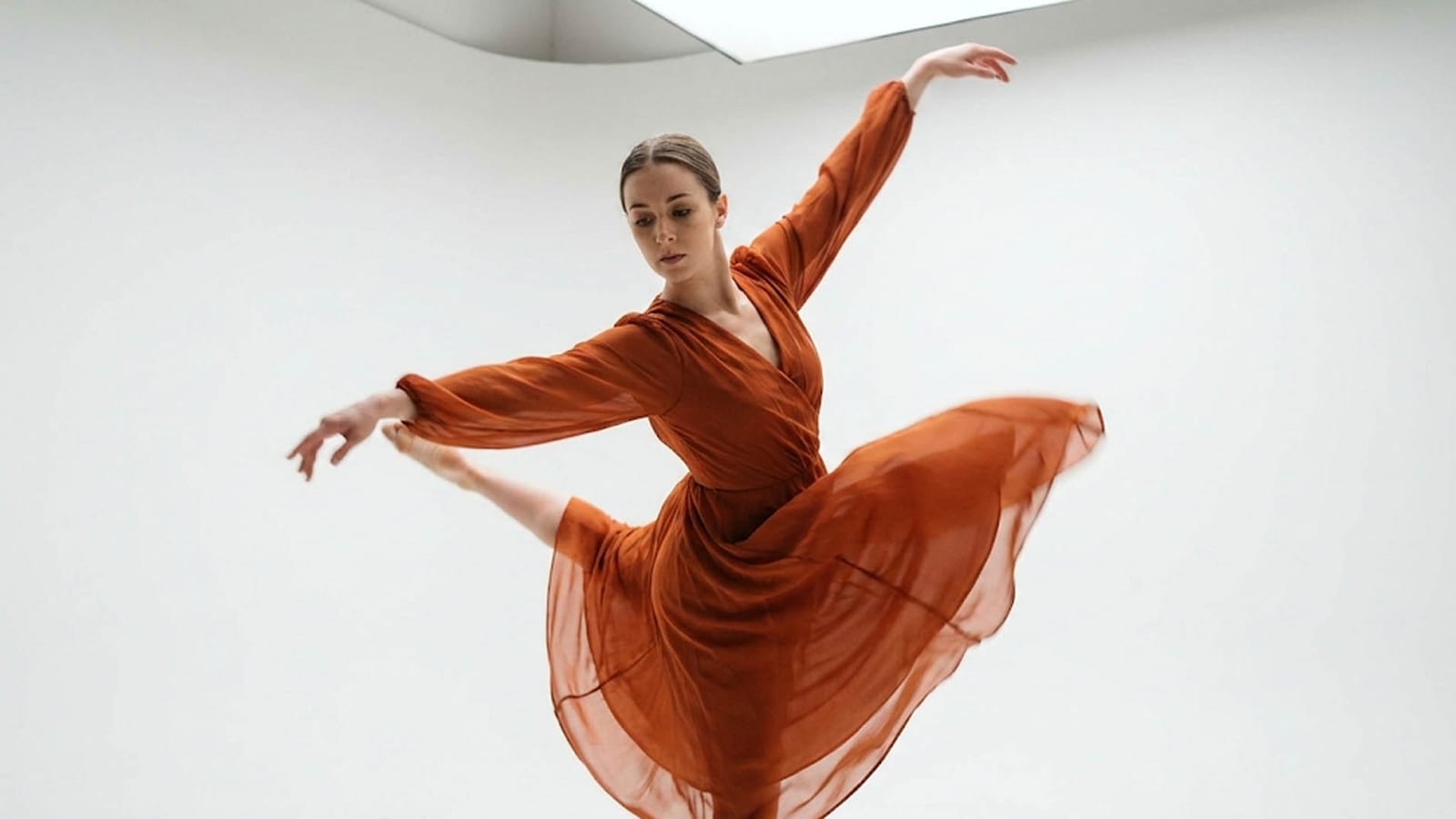
Figure drawing before grid
Figure drawing with anatomical grid

Grids reveal anatomical landmarks and proportions

"Learning figure drawing felt impossible until I started using grids. Now I can see the relationships between body parts instantly."

— Illustration Student · illustrative scenario
Try This Technique →
Photography composition with dynamic symmetry grid
Beginner Friendly

Photography Composition

Plan stunning photo compositions before you shoot or crop existing images with perfect balance. Essential for photographers, photo editors, and visual storytellers.

Why Grids Help

  • Visual Balance: Position subjects at power points for maximum impact
  • Leading Lines: Align natural lines with grid diagonals for viewer guidance
  • Cropping Precision: Reframe photos to improve composition post-shoot
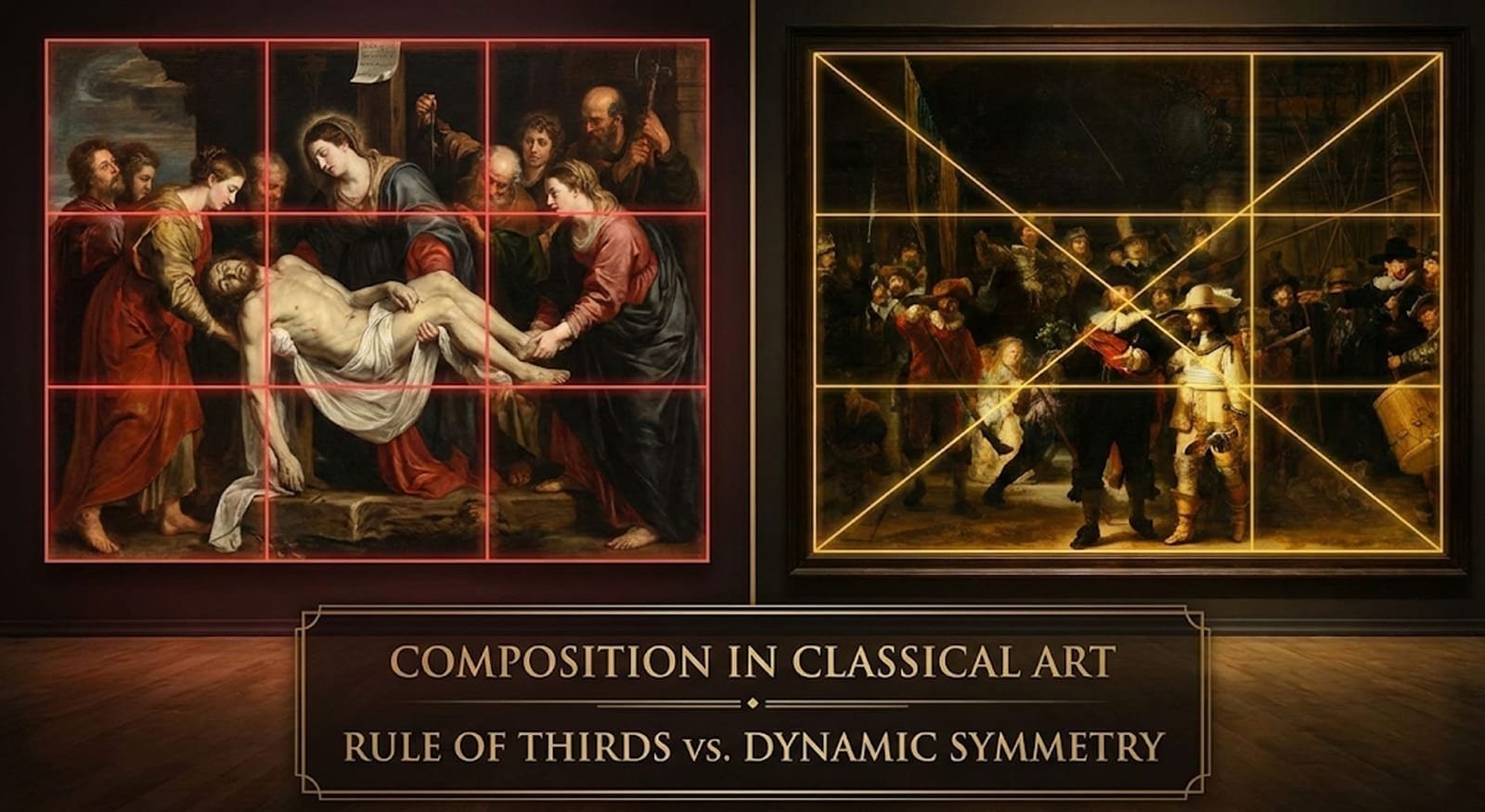
  • Dynamic Tension: Use Dynamic Symmetry for energetic, professional layouts

Best Grid Type

Rule of Thirds (simple) or Dynamic Symmetry (advanced) - Start with thirds, then explore golden ratio diagonals for editorial-level composition.

Pro Tips for Photography Composition
  • Place subject eyes at top-third intersections for portraits
  • Align horizons on thirds—never center unless intentionally symmetrical
  • Use diagonals from Dynamic Symmetry to position arms, paths, or gaze direction
  • Leave breathing room in direction subject faces or moves
  • Overlay grids on existing photos to identify why compositions work or fail
Photography composition before grid
Photography with composition grid

See how grids create professional compositions

"I used to crop randomly until I discovered Grid Maker Pro. Now every image follows proven composition principles—my Instagram engagement tripled!"

— Wedding Photographer · illustrative scenario
Try This Technique →
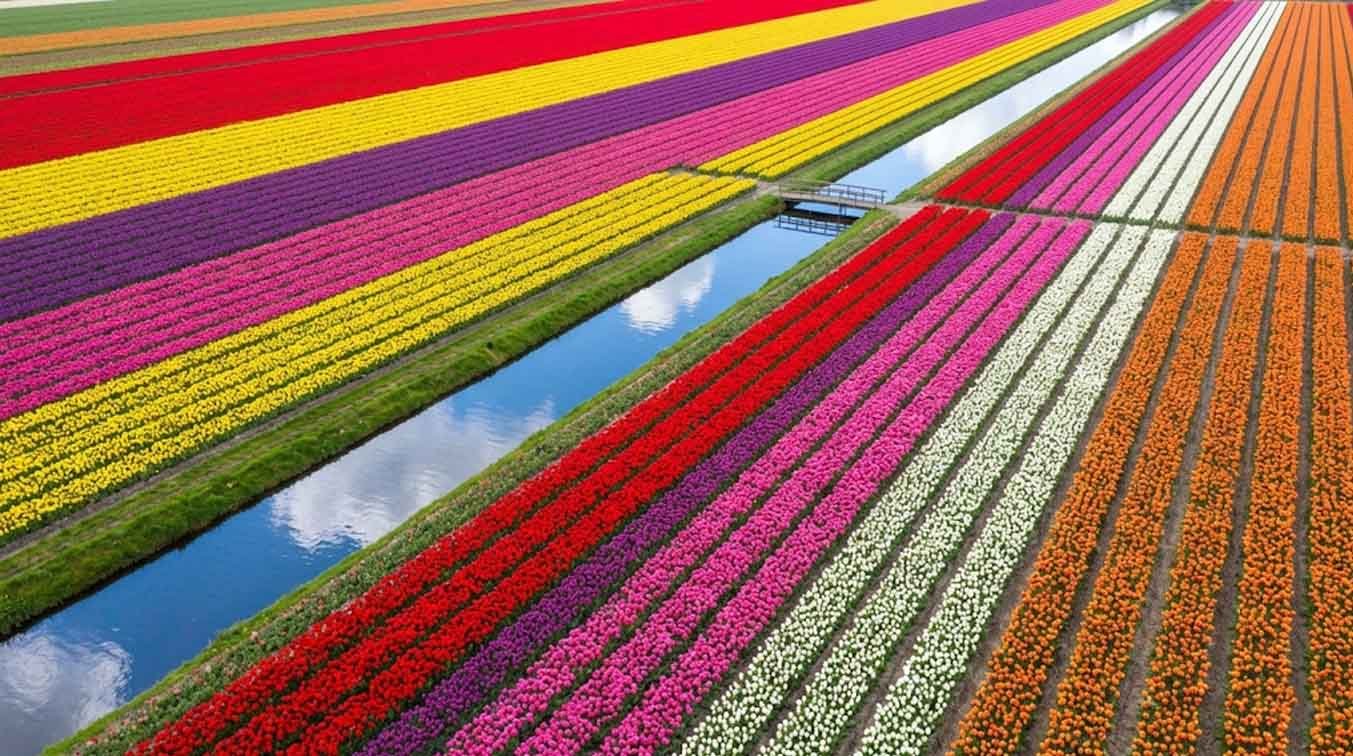
Pattern design with repeating grid structure
Intermediate

Pattern Design

Create seamless repeating patterns for textiles, wallpapers, and surface design. Perfect for graphic designers, textile artists, and illustrators.

Why Grids Help

  • Perfect Repeats: Ensure motifs align seamlessly across tile boundaries
  • Spacing Control: Maintain consistent distances between pattern elements
  • Symmetry Options: Design mirrored, rotational, or translational symmetries
  • Scale Planning: Visualize how patterns work at different print sizes

Best Grid Type

Square 8×8, 10×10, or 12×12 Grid - Square units simplify tile-based repeats. For diagonal patterns, consider custom grid angles.

Pro Tips for Pattern Design
  • Design one tile unit within a grid square, then repeat it to test seamless tiling
  • Use grid intersections as anchor points for motif placement
  • For half-drop repeats, offset every other row by half a grid unit
  • Maintain consistent visual weight by filling roughly equal amounts per grid square
  • Test patterns at 50%, 100%, and 200% scale to ensure versatility
Pattern design before grid
Pattern design with repeating grid

Grids ensure perfect pattern alignment

"Grid Maker Pro revolutionized my surface design workflow. I can visualize repeats instantly and fix alignment issues before going to production."

— Textile Designer · illustrative scenario
Try This Technique →

Artist Success Stories

See how Grid Maker Pro helped artists achieve their creative goals

50% Faster Workflow

"I finish portraits in half the time while maintaining accuracy. More commissions, same quality."

1000+ Grids Created

"From student to professional illustrator—Grid Maker Pro was essential for learning proportions."

Gallery Representation Secured

"My landscape compositions became gallery-worthy after applying Rule of Thirds consistently."

Ready to Try a Technique?

Pick an overlay from the 82-overlay library, open the tool, and the workspace is ready in under thirty seconds. No signup. No upload. Free forever.

Notes from the studio · Working practitioners on the tool

Illustrative composites of how the tool gets used in practice — not quotes from named individuals.

Bookmarked on the studio computer. The deep-link reopens with the exact overlay configured — no clicking through menus mid-session.
Portrait painterIllustrative scenario
Free and browser-only is the right shape for this kind of tool. I keep three tabs open during any project — one per overlay I'm comparing.
Brand designerIllustrative scenario
Lower friction means I actually use it, not save it for special occasions. Every overlay one click away.
Concept artistIllustrative scenario
Open the tool

Open the tool

Whichever discipline you work in — drop a reference and find the right overlay. Free.

Launch Grid Maker Pro →